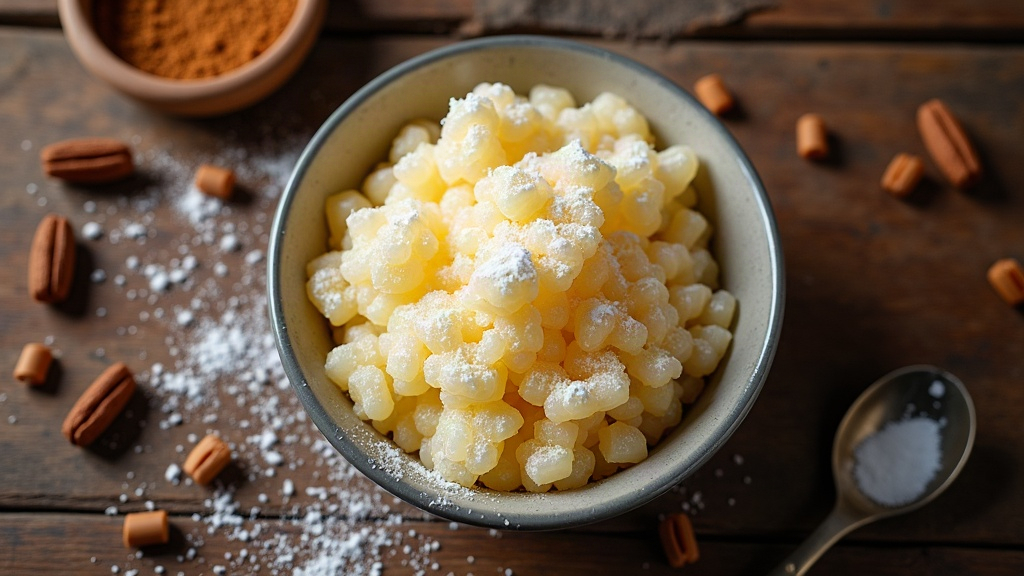
A closer look at how simple pantry staples like baking soda e gelatin have shaped traditional cooking, and what modern conversations say about collagen, satiety, and body composition as women move through different life stages.
Public health conversations increasingly note that women’s nutritional needs shift across different life stages, prompting many to revisit traditional kitchen practices for everyday wellness support.
Natural collagen production is generally understood to slow gradually over time, which is part of why kitchen staples like baking soda e gelatin have drawn renewed interest among women exploring traditional food habits.
Hunger and fullness cues can change as hormonal patterns shift, leading some women to pay closer attention to how meals are structured throughout the day.
Maintaining lean body composition is often described as a gradual process influenced by activity, rest, and everyday dietary habits rather than any single food or routine.
Conventional calorie-focused approaches don't always account for the broader picture of tissue support, satiety, and long-term consistency that many women say matters most.
Metabolism is a frequently misunderstood topic. Here is a sober comparison of common claims against what is generally understood.
Metabolism slows down dramatically the moment a woman turns 30.
Metabolic changes tend to be gradual and are influenced by many factors, including muscle mass, activity level, and sleep — not a single birthday.
Eating less is always the most effective way to manage body composition.
Severe restriction can affect satiety signals and lean mass over time; many nutrition educators emphasize consistency and nutrient quality instead.
Collagen only matters for skin appearance.
Collagen is a structural protein found throughout connective tissue, joints, and skin, which is why some women look at dietary sources such as gelatin as part of a broader habit.
Rather than a strict program, this reflects a general pattern some women describe when incorporating traditional habits into a modern routine.
Small, repeatable habits are often easier to sustain than dramatic short-term changes, according to general nutrition education.
Some women track how satisfied a meal leaves them, rather than focusing solely on portion size or calorie counts.
Ingredients used for generations, such as gelatin, are sometimes reintroduced as part of an everyday routine rather than treated as a quick fix.
Long before modern supplements, households relied on slow-cooked broths, gelatin-set dishes, and simple pantry staples like baking soda as part of everyday cooking. Gelatin, derived from collagen-rich connective tissue, was valued not for any dramatic claim but for its role in traditional recipes passed down through generations. Baking soda, similarly, was a kitchen fixture used for texture and preparation long before it became a wellness talking point.
Insight: Many of today’s wellness conversations are simply modern framing of ingredients that have existed in home kitchens for a very long time.
⚠️ Feeling hungry sooner after meals than in the past is something some women choose to note and discuss with a healthcare provider.
⚠️ Shifts in skin firmness or texture are commonly discussed in relation to collagen and general skin health.
⚠️ Occasional joint discomfort is sometimes mentioned alongside conversations about connective tissue and collagen.
⚠️ Gradual changes in how clothing fits or how the body feels are often part of broader life-stage conversations, not a single cause.
⚠️ Some women report noticing changes in daily energy, which can be influenced by sleep, diet, and overall habits.
⚠️ Changes in nail strength are sometimes brought up in general discussions about protein intake and connective tissue health.
These testimonials reflect individual experiences and opinions. Individual results may vary, and these statements are not a guarantee of any specific outcome.
Hydrolyzed gelatin is gelatin that has been broken down into smaller protein units, making it easier to dissolve and incorporate into food and drinks. It originates from the same collagen-rich sources as traditional gelatin.
No. This page is educational and discusses general wellness topics, traditional ingredients, and habits. It does not promote or name a specific product.
No claims of that nature are made here. Collagen is discussed as a structural protein relevant to skin, joints, and connective tissue, not as a treatment or cure for aging.
Both are long-standing kitchen staples with a history in traditional cooking. This content explores their culinary background and general wellness discussions, not as a combined remedy.
No. This content is for general educational purposes only and is not a substitute for professional medical guidance.
This page is written for women generally interested in learning more about traditional kitchen habits, collagen, and everyday wellness topics.
Yes. Anyone considering changes to their diet or routine should speak with a qualified healthcare professional first.
Watch the video to learn more about the history, traditions, and general wellness conversations surrounding baking soda e gelatin.
Advertising Disclosure: This page contains sponsored content and affiliate links. We may receive compensation if you click on or make purchases through links provided on this site. This compensation may impact how and where products or offers appear.
Content Disclaimer: The information provided on this page is for educational purposes only and has not been evaluated by the Food and Drug Administration (FDA). It is not intended to diagnose, treat, cure, or prevent any disease or health condition. Always consult a qualified healthcare professional before making changes to your diet, supplement routine, or lifestyle.
Results Disclaimer: Individual results may vary. Any testimonials or experiences shared on this page are personal opinions and are not a guarantee of specific outcomes for any individual.
© 2026 · All Rights Reserved · Questions? Visit our Contact page.